Loco-Colors

Rattlesnake Museum - Old Town Albuquerque, New Mexico
Latest Adventures

Route 66 Through Alburquerque, New Mexico
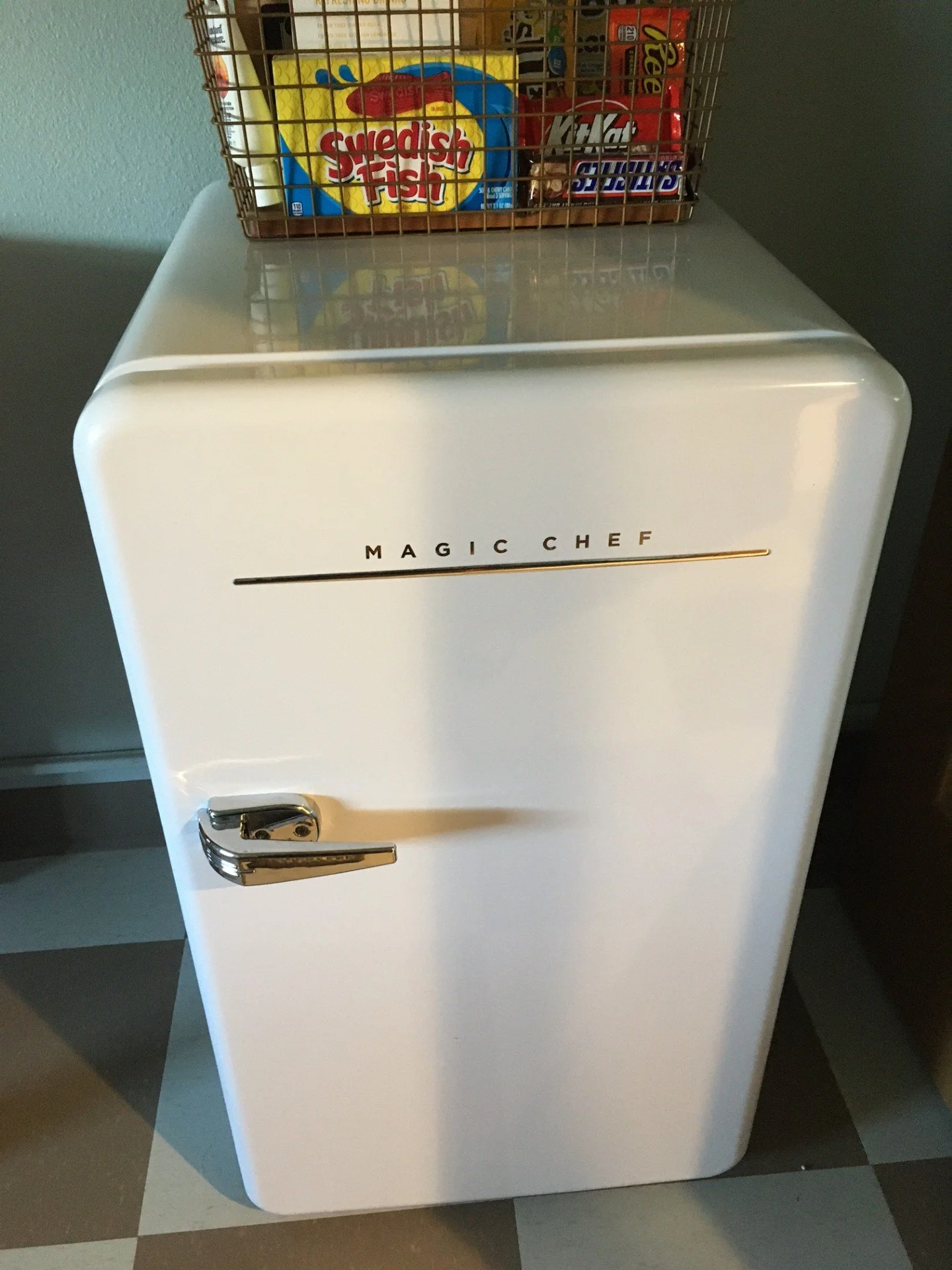
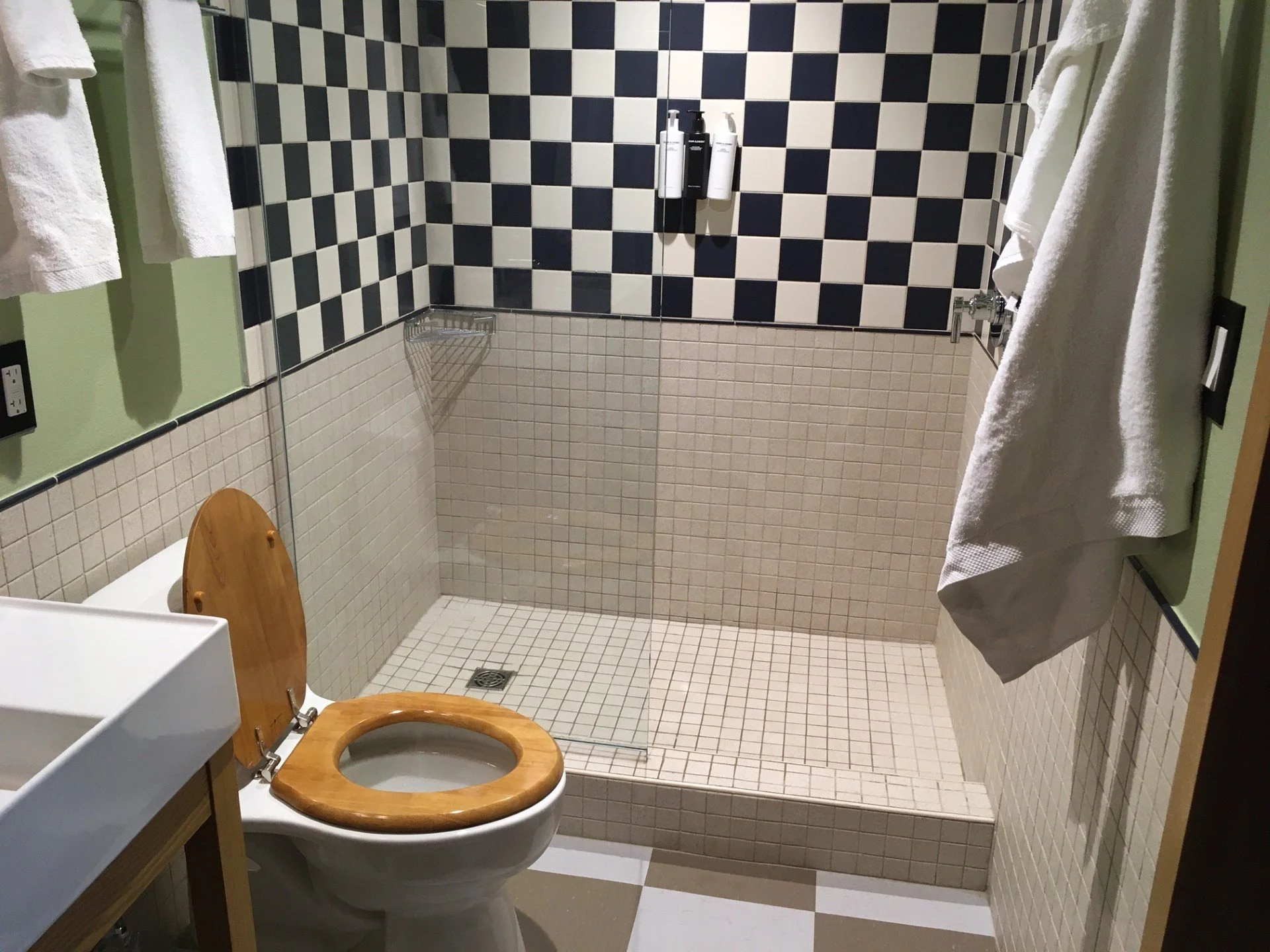
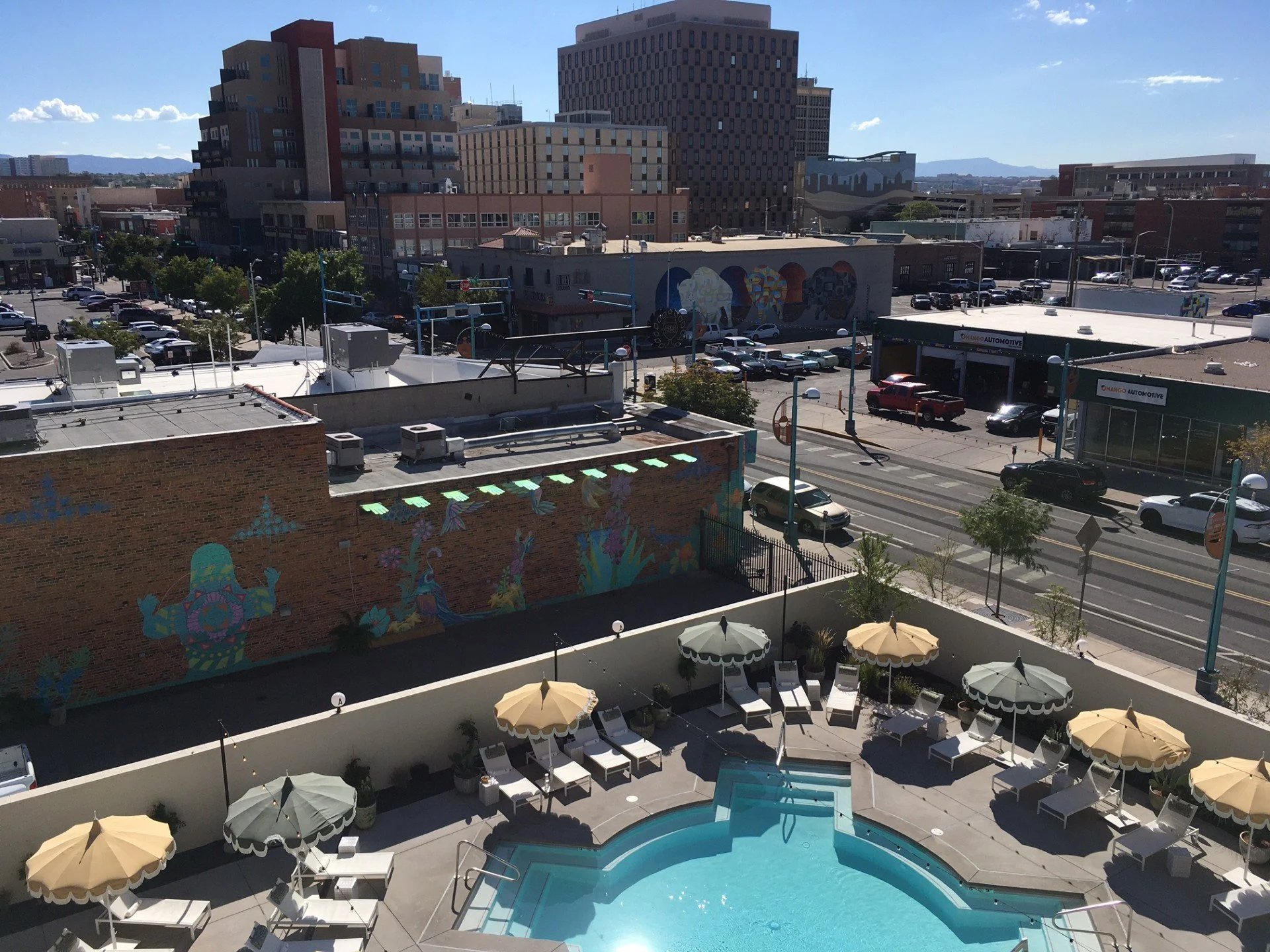
I was excited to ‘Arrive’ at my hotel in New Mexico’s largest city - Albuquerque. I was there to both reconnect with a long lost childhood friend, and to experience a piece of America’s quintessential road-tripping culture . . . Route 66 - aka The Mother Road. I’m happy to say I experienced Route 66 in its heyday, before it was decommissioned as a highway by the Federal Government in 1985. Yes, in 1976 my family and I took a 6 week road trip ‘Out West’ as the often say. Leaving in our red camper van from our home in Warren, MI (metro-Detroit), we hooked up with Route 66 about 4 hours later just south of Chicago and continued on it much of the way, all the way to California! It was the year of our nation’s sesquicentennial and a vacation to remember - of course what I can remember of it, I was only 6 at the time, but I do remember parts of it and I do remember loving it!! and I often think it was our family road trips, and specifically that one, that sparked my love of road trips and the West. Thanks Mom and Dad for always taking Mike and I on such cool trips and making them so fun and great! So I was excited to ‘Arrive’ at my hotel on Route 66 aptly named ‘Arrive’. I picked this hotel purposely because it had seen Route 66 in its time (not to mention my love of all things 1960-70’s retro) when it still hosted the endless parade of vacationers on their sojourns Out West. The Arrive is a 6 story, long, retro-looking hotel that had obviously been renovated. The doors to the rooms were on the outside, and therefore you could see the outer safety railings and hallways of each floor. The color pattern of the large protective railings was alternating squares of light turquoise and burnt orange. I assume the burnt orange was picked to match the native American and Hispanic Zia sun symbol which represents New Mexico - the symbol displayed on their state flag; and that turquoise was picked because it is the state’s gemstone. I found the hotel featured in more than a few travel articles / blogs that featured old school Route 66 hotels that had been beautifully renovated in such a way that stylishly blended both modern and retro. So after checking in I went back to the front desk to ask the all important question: Which road exactly is Route 66? I wasn’t sure because the hotel sat at a few intersecting roads and a turn-about, in the heart of downtown. I approached the maybe 25-30 year old heavy set Mexican looking girl at the front desk who had checked me in, “Can you please tell me which road is the historic Route 66?” I asked. She paused with kind of a funny look on her face, “Welllll . . . 66 is a bus route, 66 is a bus route that goes through town.” Of course I knew better and didn’t want to be rude, so I casually hesitated to try and reword my question, although I knew by her answer no amount of re-wording was going to help, but I tried anyway, probably because her job here at this specific hotel in some way is basically because of Route 66, and I found it unfathomable that she didn’t seem to know what I was talking about, so I continued anyway, “Well there is actually a well known old road called Route 66 that I think is in this area somewhere.” She further stuck to her original response that no, there was no such road (my words) and that “it’s a bus route”, which the other young female front desk agent seemed to agree with. Let me add there was actually a little more banter with regard to my question than I am recounting here, but all of it was met with complete ignorance of any knowledge of a road called Route 66. At this point I was thinking 2 things, one, that I thought I booked a hotel on Route 66 (and I’m going to be a little irritated if I didn’t), and two, that she lives and works here and doesn’t know Route 66???? What???? I actually thought that was part of the schtick of the hotel, that it was a retro, yet renovated hotel that was part of the history and culture ‘That Still Lives On, On Route 66’. I was incredulous, although I made sure not to show it, I maintained complete respect and just said ‘oh, okay, thanks.’ I then headed outside to explore. When I exited the front doors the 18-23 year-oldish Mexican looking bellman was at his bell stand. I hesitantly decided to ask him if he knew, “Excuse me, do you know which road is Route 66?” He got kind of a strained look on his face like he really wanted to help me, but he just didn’t know, “noooo . . . I don’t”. It turns out Route 66 is right next to the hotel (like I had thought ). . . It’s the largest main road that runs right past it on its short side. And making the whole story a bit more humorous, right next to the very large retro sign that spells ‘Downtown’ vertically followed by the name of my hotel ‘Arrive’ is actually a somewhat large lamp-post adornment that celebrates that this road is indeed the Historic Route 66 (see cover photo above) - there is actually many of these adornments running all along 66, and what I learned is better known as Central Avenue. Let me finish this story by saying I definitely grew to like both the front desk agent and the bellman, both friendly and helpful. And not long after our interaction I was passing by the front desk again when she made some mention to me of “yes Route 66 is close by”, which I took as her having looked it up on the internet and trying to correct what she realized was a huge oversight on her part.
Route 66 became part of the US Highway System in 1926. Starting in Chicago it stretched through 8 states - Illinois, Iowa, Missouri, Oklahoma, Texas, New Mexico, Arizona, and reached it’s final destination - the Pacific Ocean - at the Santa Monica Pier in Southern California! You can still travel much of the original road today, however, you’ll have to cut over to various side roads or freeways to fill in the gaps where the road no longer exists. And many road trippers still do this today - take a trip to experience America’s Mother Road, where the trip is experiencing The Road itself - to see the historic sites, hotels with their old neon signs, and eat at some of the original restaurants still in existence today just as they were back then, mostly for nostalgias sake and to cater to those adventurers who are seeking the experience of traveling on Route 66! How interesting that the first travel story I’m writing for my new road tripping blog is about America’s most famous road tripping road.
Route 66 . . . The Mother Road . . .
Even John Steinbeck referred to 66 in his classic novel on the Great Depression, ‘The Grapes of Wrath’ - where he referred to 66 as The Mother Road that thousands of migrants took to in seeking a better way of life . . . as their means of escaping the barren wind ravaged ‘Dust Bowl’ of Oklahoma. Even the El Camino Real de Tierra Adentro aka the Royal Road of the Interior as it was called by the Spanish - shares some of its historic pathways with Route 66. The El Camino Real de Tierra Adentro (not to be confused with The El Camino Real which connects the 18th century Spanish missions of California) stems back to 1598 when it connected Mexico City to Santa Fe. Want to experience some of the original Route 66? You will find the longest urban stretch of the original route still intact today running through the heart of Albuquerque, New Mexico, and my hotel is on that 18 mile stretch in the heart of downtown, but don’t expect the younger generations to know that, haha. And this year the famous road will celebrate its 100th anniversary! 1926 - 2026.



The Secret City
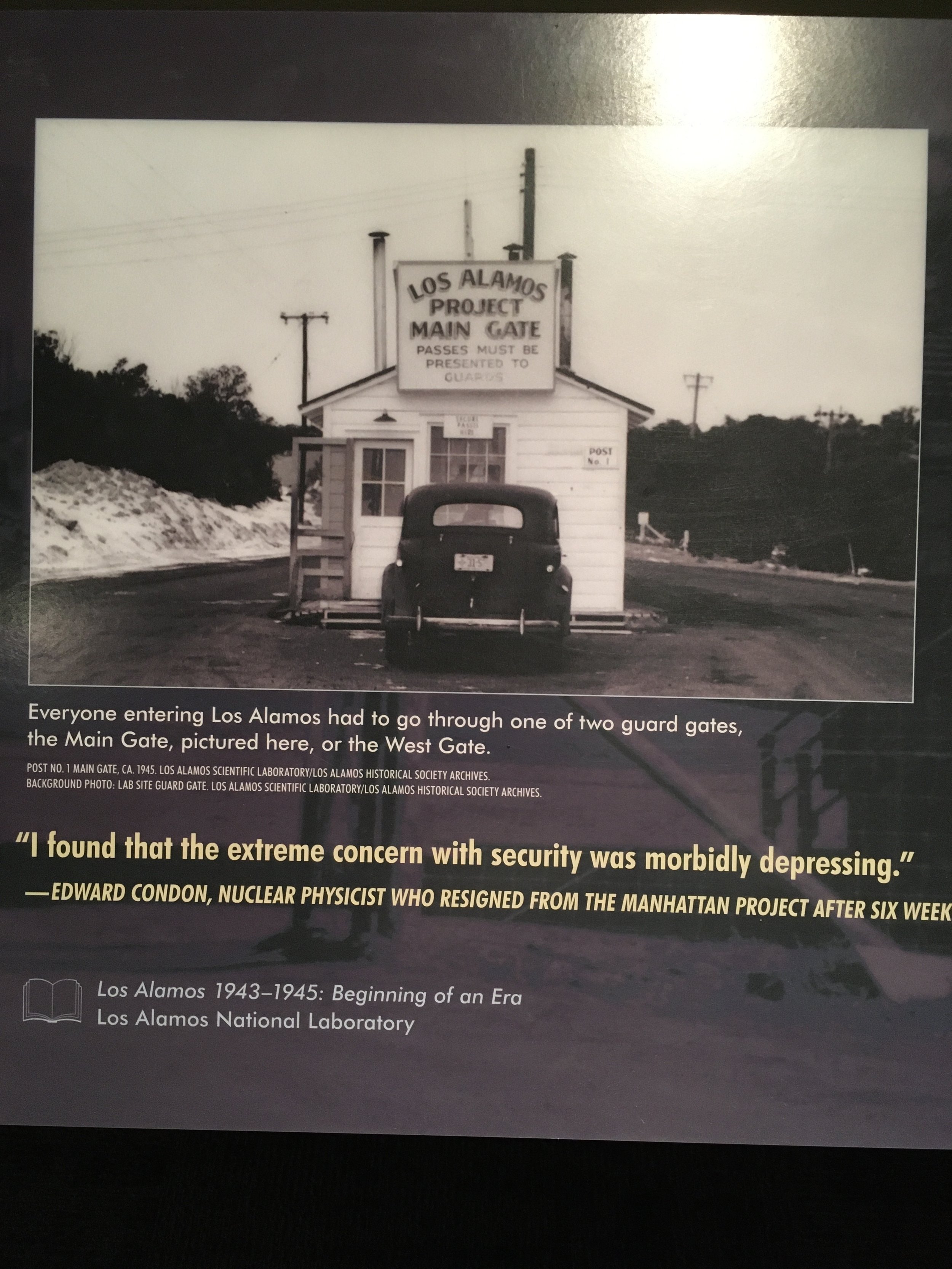
I followed the 180 degree bend in the road and suddenly found myself in front of 6 guard shack booths - my phone’s GPS clearly had mislead me. My initial reaction was wanting to reverse direction and back-track out of there, for I clearly wasn’t in the right spot, but it was too late to do that now. I slowly pulled forward to one of the guard shacks, still not sure where I was. I started in right away, “I’m sorry, I think my directions led me to the wrong place, I’m on my way to camp at Juniper Campground in Bandelier National Monument.” The security officer seemed unconcerned about what I had just said and responded “Ok, I.D. please.” “Um, ok” I responded, still puzzled about what was going on. ‘Great’ I thought as I tried to locate my driver’s license. My license is completely broken in 2 across the top strip from pulling it in and out of my wallet over the last 10 years, and is being held together by a small piece of tape - that isn’t doing a very good job - so the broke part totally bends back and forth. Also, there is a very noticeable chip on the left side of it - which I have no idea how that happened. After looking at my license the guard responded, “For the next 4 miles don’t stop or take any pictures, you can go ahead.” Wheww! I passed! Although I still really had no idea where I was, how I got there, or where I’m going . . . but I’m not being arrested or detained by the US Government and that’s all that counts! It turns out my GPS did not make a mistake and I had arrived at the Los Alamos National Laboratory . . . think World War II, J. Robert Oppenheimer, and the creation of the Atomic Bomb.
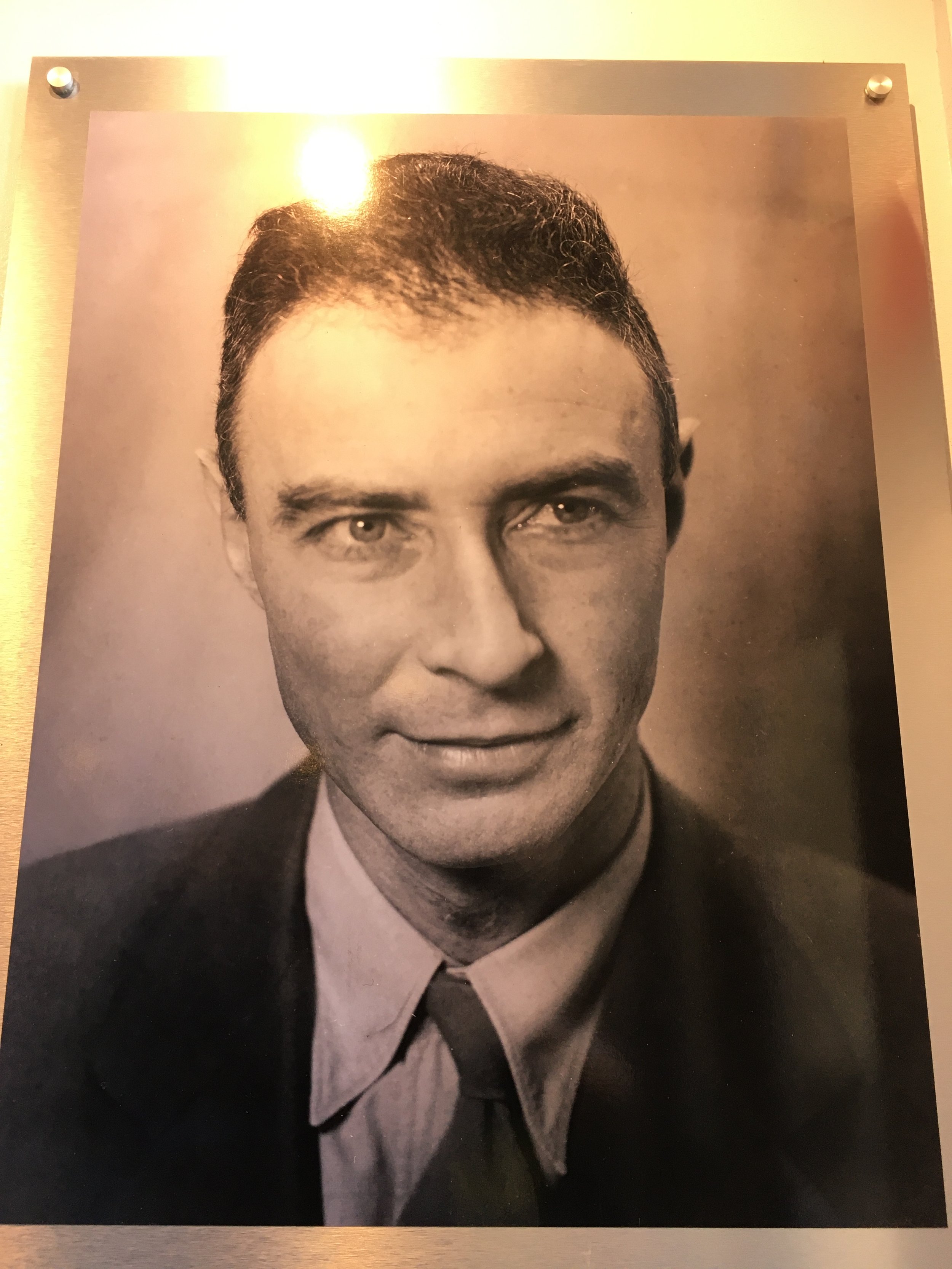
The Lab is about 40 square miles and sits in the southwest corner of Los Alamos, New Mexico, at the base of the Jemez Mountains. Most of the land and the many buildings and ‘Areas’ the lab sit on is undeveloped - beautiful rocky canyons and pine trees, like really beautiful - all encased by barbed wire fencing. This is the Laboratory that was created by the US Government in 1942 under the guidance of Scientist Extradinaire J. Robert Oppenheimer, and US Army Lieutenant Leslie Groves (who oversaw the conglomeration of all aspects of The Manhattan Project) for the sole purpose of creating an atomic bomb that would help bring an end to World War II; And spoiler alert: it did. It is one of many Department of Energy National Labs - albeit maybe the most famous one due to its history.
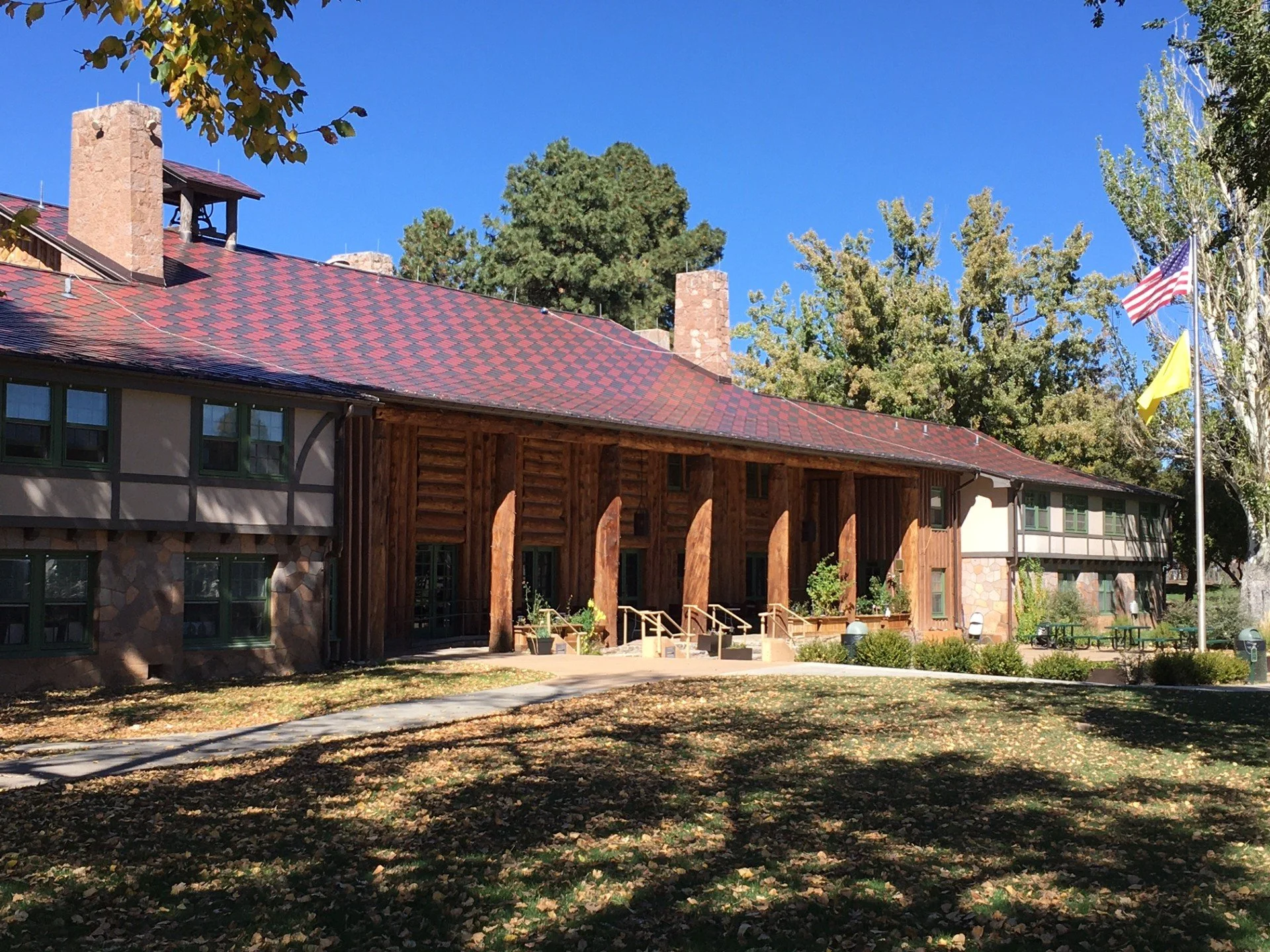
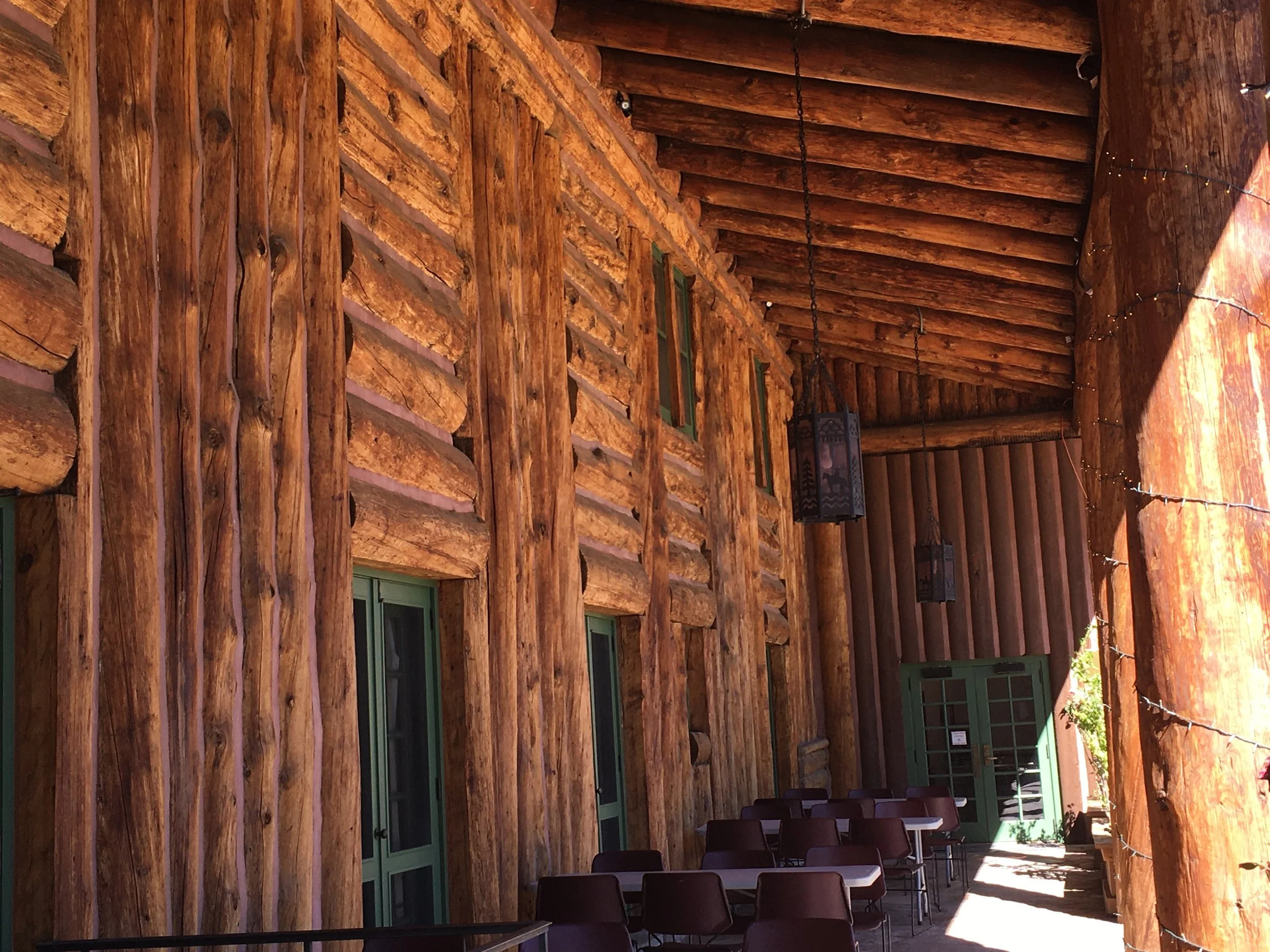
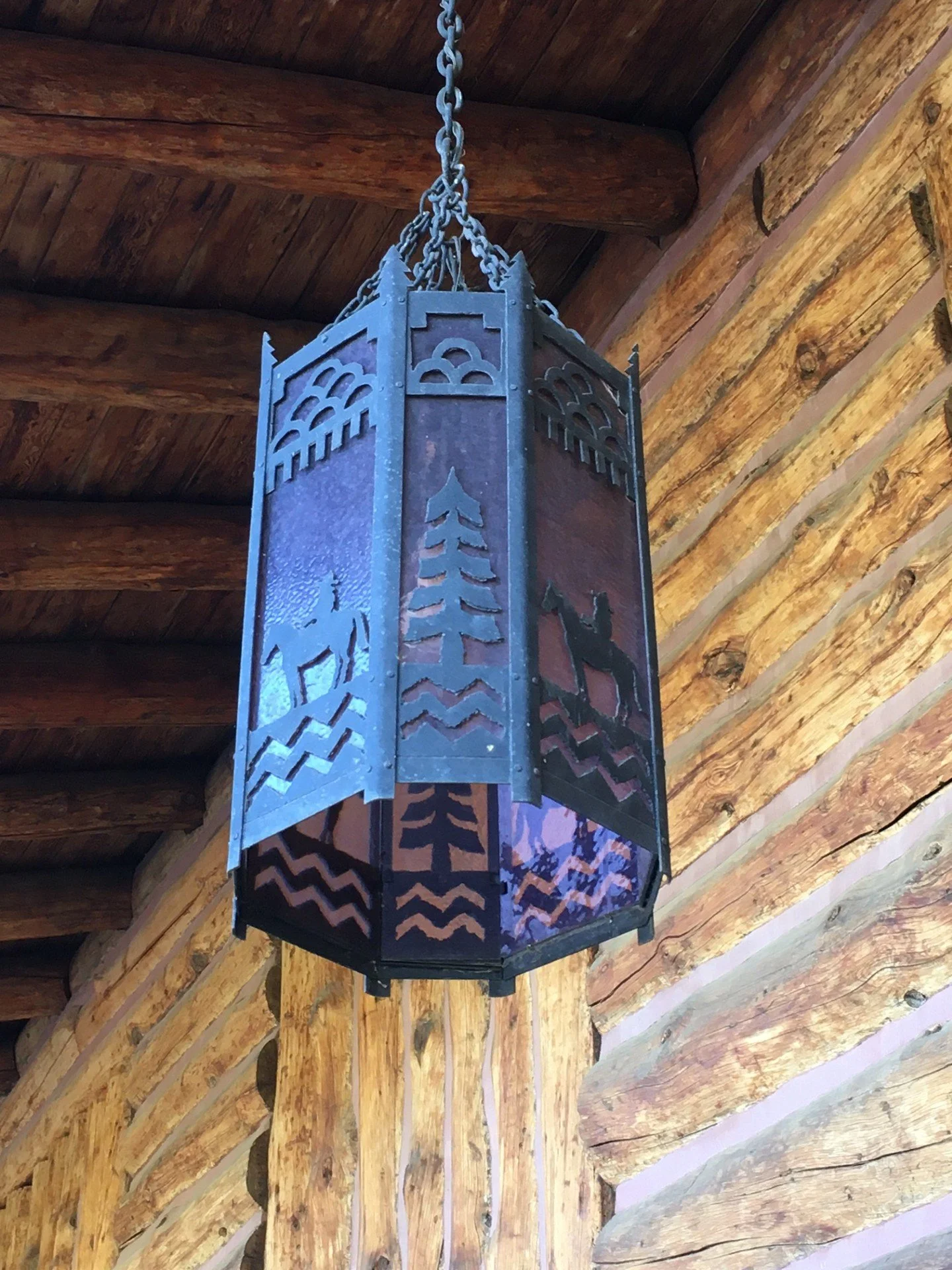
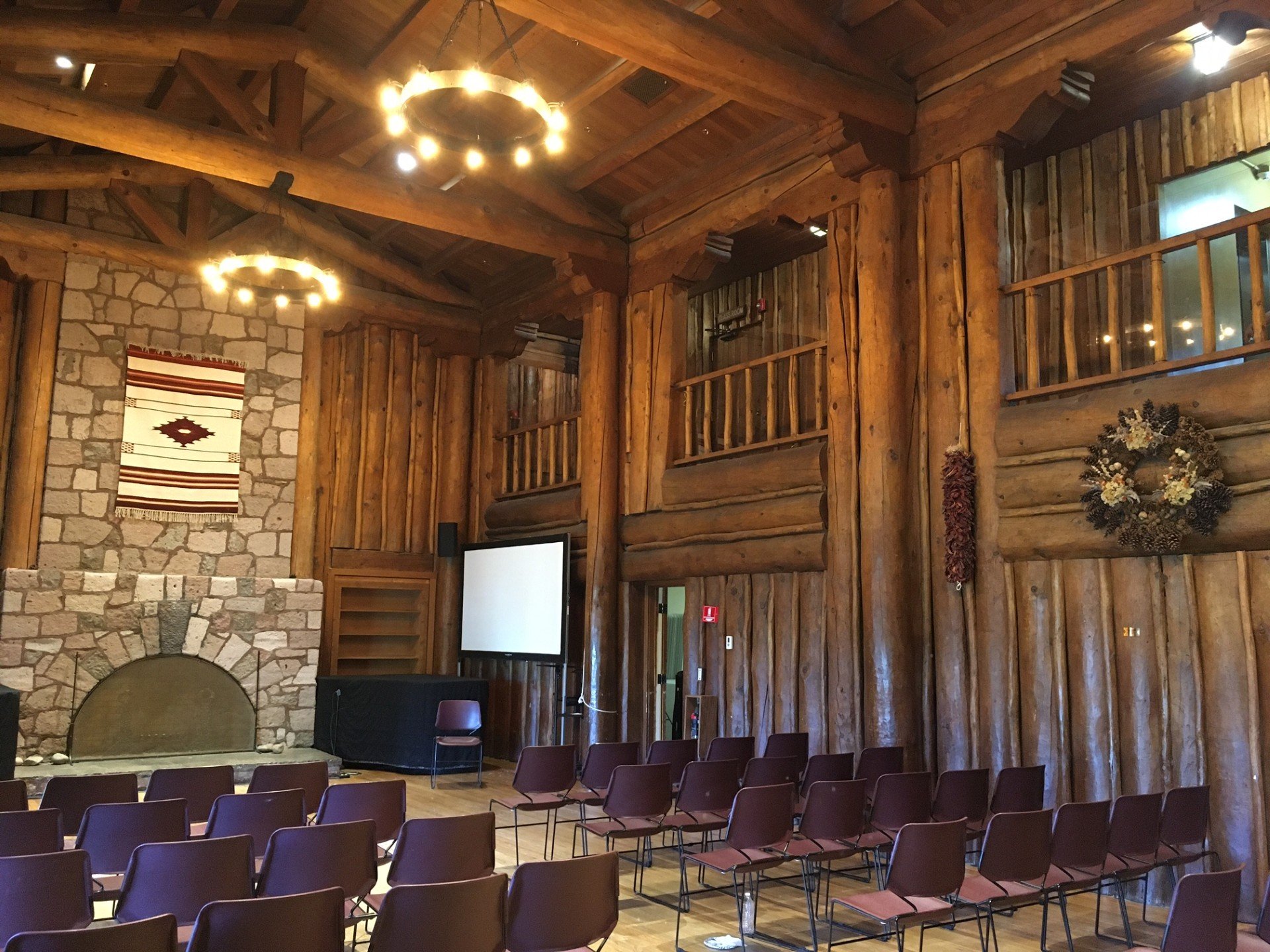
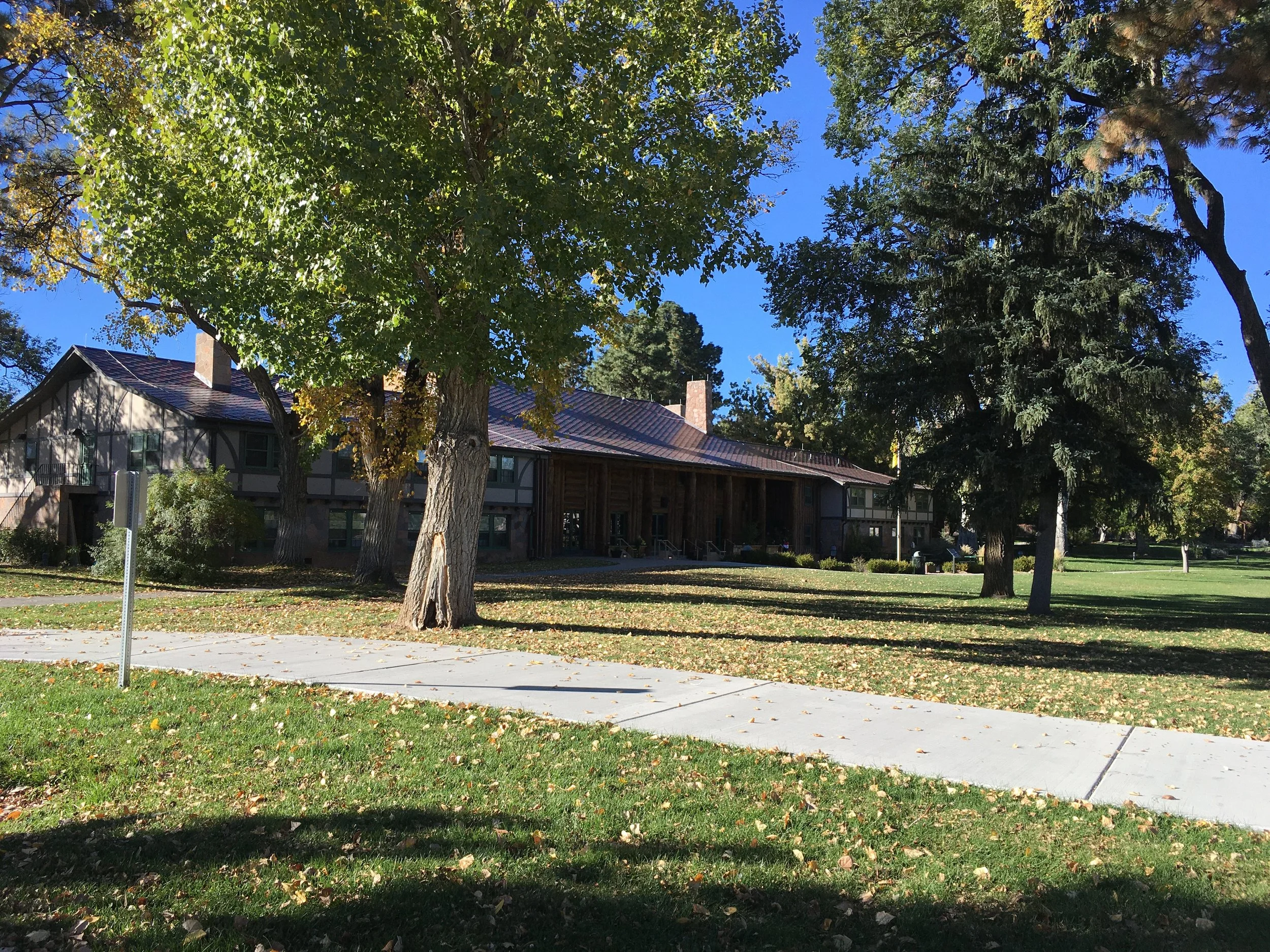
The town is quite small . . . one main street that runs through the center - not even very wide - and in the heart of the town is a beautiful old rustic lodge. One would think that due to it’s history and the amount of highly educated scientists that have called Los Alamos home from the early 1940’s up to the present day, that it might have a legitimate downtown with the old town feel of historic buildings and beautiful old houses - Nope. The area called Los Alamos was truly developed out of the US Government’s need to find a large clandestine undeveloped area of land to carry out what could arguably be the most ambitious project our government has ever taken on . . . the development of an atomic bomb - so the ‘Allies’ (The major Allies being England, France, The US, and Russia) could both win, and bring an end to World War II. J. Robert Oppenheimer was the Lead Scientist on the project which was code-named The Manhattan Project. He had spent time in New Mexico as a child (he never attended the Boys School) and picked the location of Los Alamos - mostly because he knew if people were to be tied to a remote place having very little contact with family and the outside world that the location needed to be beautiful, so that the beauty of the landscape would sustain those who were there - and he picked the right place because beautiful it is! The only thing that existed in Los Alamos in 1942 was a boys school. Founded in 1917 by Ashley Pond Jr. and Dr. Ashley Pond III, The Los Alamos Ranch School , was a private outdoor preparatory boarding school that combined classical college-preparatory education with a rugged, Boy Scouts-inspired outdoor lifestyle, daily calisthenics, mandatory Saturday horseback rides, and skiing in winter. When the government contacted Pond about the need to acquire his school and its land for the war effort he declined, but in November of ‘42 the government forced him to sell the land and his school - the U.S. War Department purchased the school property for $440,000 under the Second War Powers Act due to its remote, secure, and isolated mesa location. So back to the beginning of the story, the beautiful old lodge that sits in the center of town? Fuller Lodge, which was the center piece of the Boys School. Built in 1928 and designed by renowned Santa Fe architect John Gaw Meem, Fuller Lodge served as the main dining hall, social hub, and recreation center for the school. Once the government took over, the lodge served as the central gathering place, dining hall, restaurant, and temporary housing for visiting scientists. Today, it is owned and operated by Los Alamos county and functions as a community center and houses the Fuller Lodge Arts Center Gallery. It is open to the public every day at no cost. When I was there I was free to roam around the inside and outside as I pleased, one day a couple people were prepping for a wedding reception in the main hall of the lodge - but it was still open for anyone to walk around - no security, no guides, not even hardly any people - just me and history.
Santa Fe, New Mexico
La Fonda
America’s Oldest Inn Site
We design curated travel itineraries that blend iconic landmarks with hidden gems, ensuring every mile is meaningful. Our mission is to remove the stress of planning so you can fully immerse yourself in the cultures and landscapes that inspire you.

Journeys Crafted Around You
Bespoke Itinerary Design
Personalized trip planning that covers accommodations, activities, and local experts—everything aligned with your travel style.

Group & Incentive Travel
Coordinated experiences for corporate teams, families, and special interest groups, including on-site support.

Luxury Rail & Cruise Bookings
Seamless reservations on world-class trains and small-ship cruises, complete with exclusive shore excursions.

Destination Event Management
Full-service coordination for weddings, retreats, and milestone celebrations in captivating locales.

Let’s Keep In Touch
Ready to turn inspiration into an unforgettable journey? Reach out for a complimentary consultation and find out how effortless travel can be.
Our Expertise
Our team is composed of seasoned travel designers, local insiders, and logistics specialists who have lived and worked across five continents. We leverage deep destination knowledge and a global network to ensure every itinerary runs smoothly from the first draft to your safe return home.

Follow Us On Social